Weaver
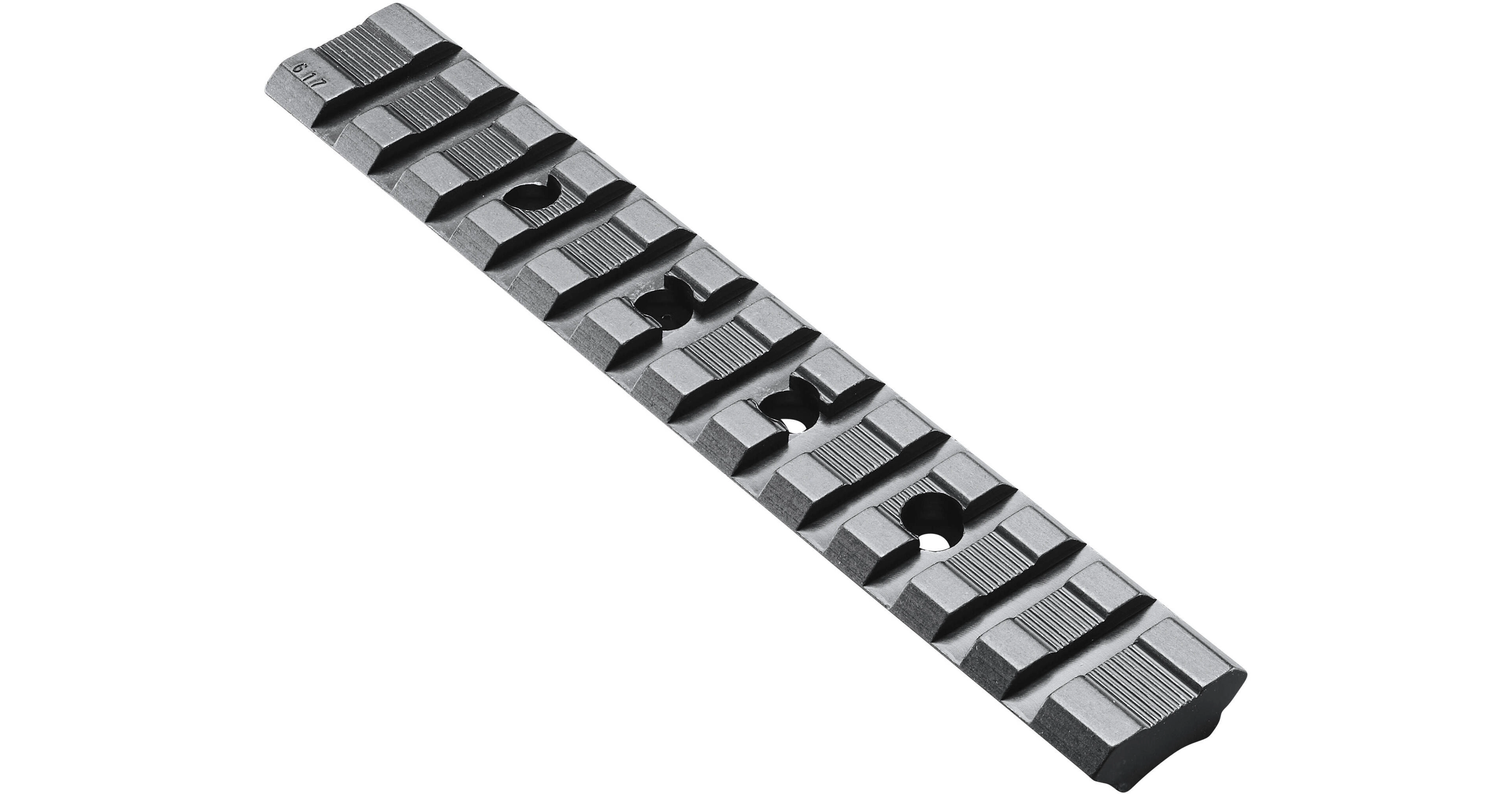
WEAVER rail is a standardized mounting system used for attaching optics, red dot sights, flashlights, and other accessories to firearms. It originated in the 1930s in the United States, designed by William Ralph Weaver, founder of Weaver Optics. The goal was to provide a secure and reusable mounting platform for rifle scopes on hunting firearms.
Standard and construction
The Weaver rail consists of a metal base with transverse slots into which mounts are secured using a locking wedge or screw. The standard width of the rail is approximately 21 mm, but slot spacing is not consistent, which makes some mounts incompatible across different models.
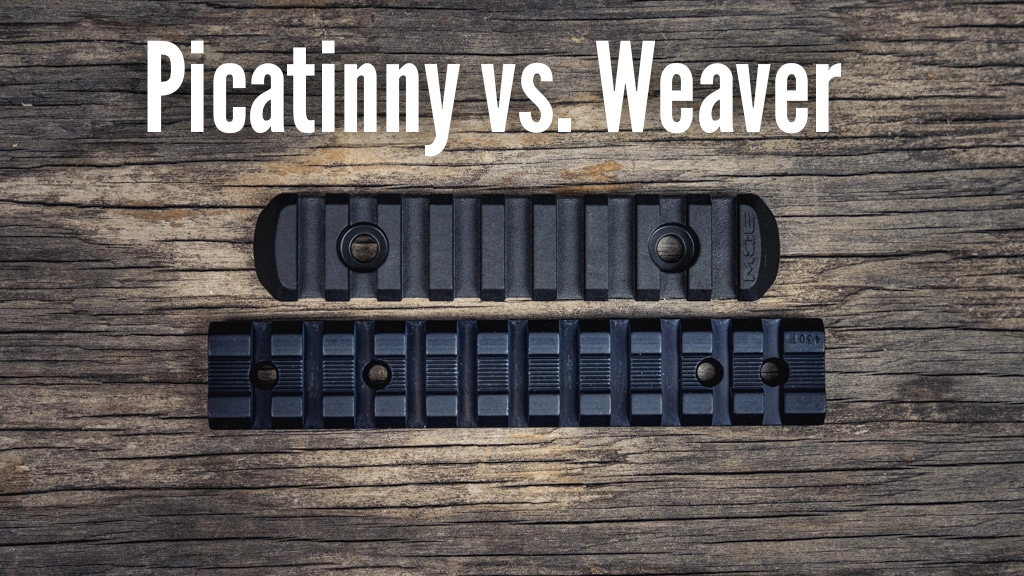
Difference between Weaver and RIS / Picatinny
- Weaver: Older system with inconsistent slot spacing and lower standardization precision.
- PICATINNY (RIS / MIL-STD-1913): More modern system, fully standardized, with 5.23 mm slot spacing, deeper slots, and greater compatibility.
In general, most mounts designed for the Weaver rail can be used on Picatinny (RIS), but not all Picatinny mounts fit Weaver rails.
Usage and deployment
Today, the Weaver system is primarily used in the civilian market, especially with hunting and sporting firearms. In military and law enforcement contexts, it has been gradually replaced by the RIS / Picatinny standard, which offers greater modularity and mounting precision. Weaver rails are still found on more affordable or classic rifles and shotguns, and are often used with firearms that retain traditional design or have limited space for accessories.
Summary of advantages and disadvantages of the Weaver rail
- Advantages: Simple, affordable, still widely available
- Disadvantages: Lack of standardization, limited compatibility, overtaken by Picatinny/RIS system
Weaver was a pioneer in the field of mounting rails, but with the evolution of modern firearms and the need for a precise and universal platform, its role has gradually diminished in favor of the Picatinny/RIS systems.
Powered by Froala Editor