Binoculars
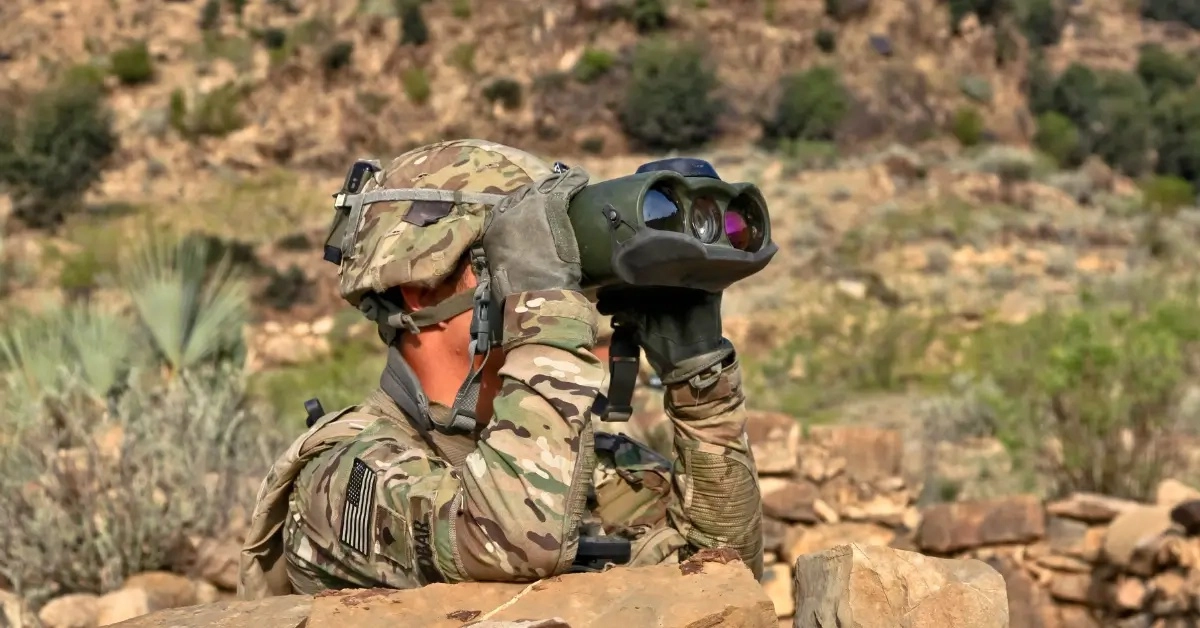
A binocular is an optical device with two tubes that allows you to observe distant objects with both eyes at the same time. This provides stereoscopic (3D) vision, better depth perception, and far more comfortable long-term viewing compared to a monocular. Each tube contains its own system of lenses or prisms that together create a bright, stable, and high-contrast image. Binoculars are used worldwide by hikers, hunters, soldiers, nature observers, sport shooters, and members of security forces. A binocular is therefore a two-eyed telescope offering stable, comfortable, and spatially accurate viewing. Compared to a monocular, it is better suited for long observation and detailed scouting thanks to its 3D effect and wider field of view. The downsides are higher weight, a higher price, and slower handling – but for military use, it is indispensable.
History of binoculars
The first optical designs resembling modern binoculars appeared as early as the 17th century, when early experiments with telescopic systems using two parallel tubes began. The true modern form of binoculars emerged in the 19th century thanks to the invention of the prismatic system, which correctly oriented the image and enabled compact yet powerful instruments. Since then, binoculars have become a standard tool in militaries around the world – primarily for reconnaissance, navigation, and command.
Advantages of binoculars
- Stereoscopic vision – natural 3D view with excellent depth perception.
- Comfort for long-term viewing – does not strain only one eye.
- More stable image at higher magnification compared to a monocular.
- Wide field of view – easier tracking of moving objects.
Disadvantages of binoculars
- Larger size and weight – harder to carry in gear.
- Higher price for quality models.
- Slower to deploy – both eyes must be positioned at the eyepieces.
Powered by Froala Editor