Power bank
Power bank is a portable battery used to store electrical energy and subsequently use it for charging or powering electronic devices. It is most commonly used for phones, cameras, flashlights, GPS devices, NVG equipment, and other electronics in the field where no electrical grid is available. A power bank is therefore a modern portable power source created in response to the growing dependence on electronics. From the first simple batteries, it has evolved into a sophisticated device capable of powering a wide range of equipment. In airsoft, it is indispensable for cameras, NVG, and communication, while in civilian life it represents an important backup during blackouts or crisis situations.
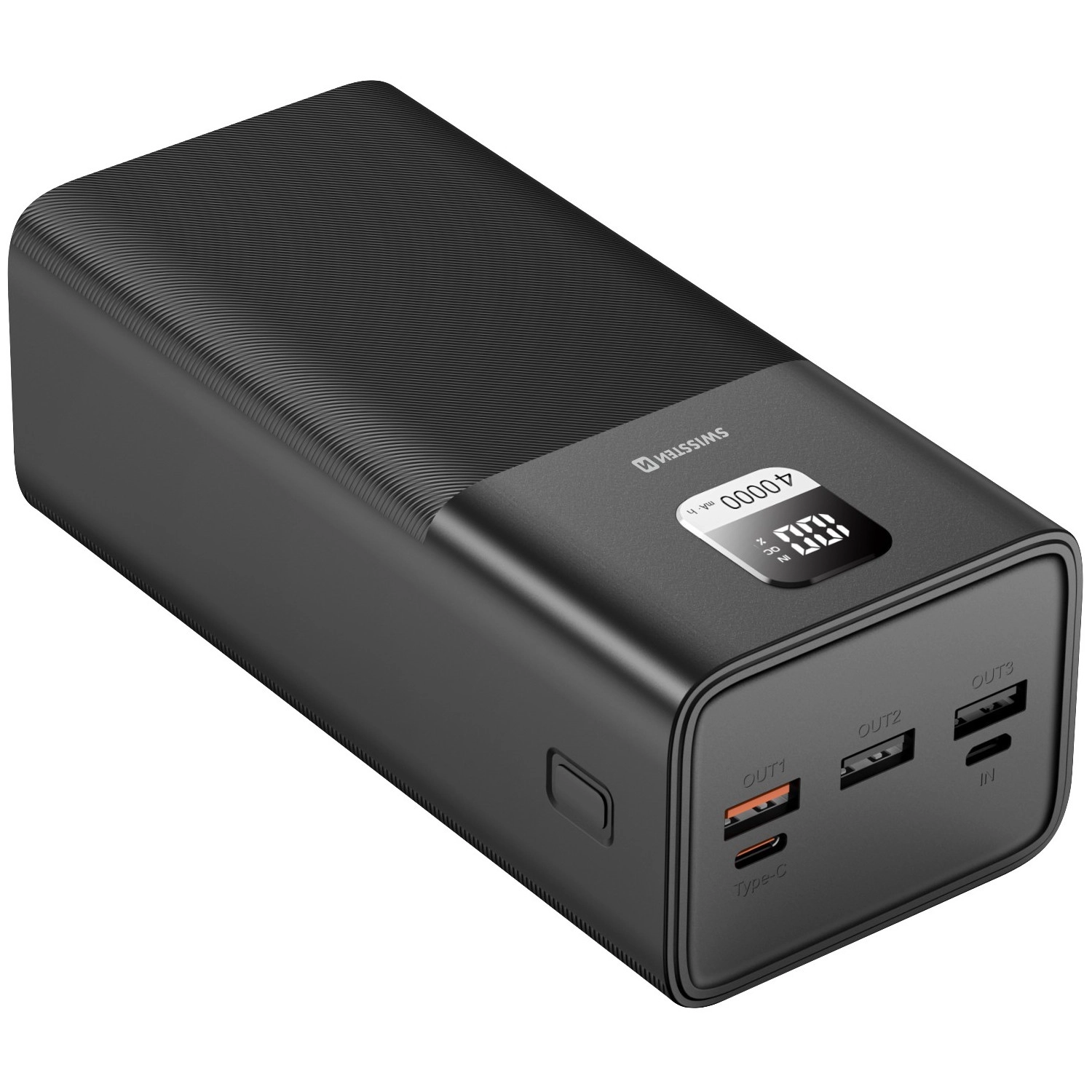
Classic larger power bank for laptops and phones
Who and when “invented” the power bank?
The power bank does not have a single specific inventor. It is the result of the development of portable batteries that began in the 20th century. A key breakthrough came:
- with the development of lithium-ion (Li-Ion) and later lithium-polymer (Li-Pol) cells,
- with the mass expansion of mobile phones after the year 2000.
The first commercial power banks appeared approximately around 2008–2010, when battery technology became sufficiently safe, lightweight, and powerful.
The evolution of power banks from the beginning to today
- First generation: heavy, low capacity, slow charging (USB 1–2 A).
- Second generation: higher capacities, better electronics, stable output.
- Today: fast charging (QC, PD), USB-C, high capacities, rugged outdoor versions with backup solar charging.
Modern power banks can often not only charge devices but also power them directly during operation.
What is a power bank good for in airsoft?
In airsoft, a power bank becomes a common part of the loadout, especially during longer events and Mil-Sim games:
- Powering GoPro and action cameras – significantly extending recording time.
- Powering NVG devices – some systems allow an external power source.
- Charging a phone – navigation, maps, communication.
- Powering flashlights, GPS devices, watches.
At multi-day events, a power bank is often a critical piece of equipment without which electronics quickly fail.
Power banks and blackouts (power outages)
A reserve of electrical energy is crucial not only in the field but also in crisis situations:
- the ability to communicate (phone, radio),
- powering flashlights and emergency lighting,
- maintaining access to information,
- increasing safety and comfort.
Today, a power bank is considered a basic part of emergency equipment, similar to a first aid kit or a water supply.
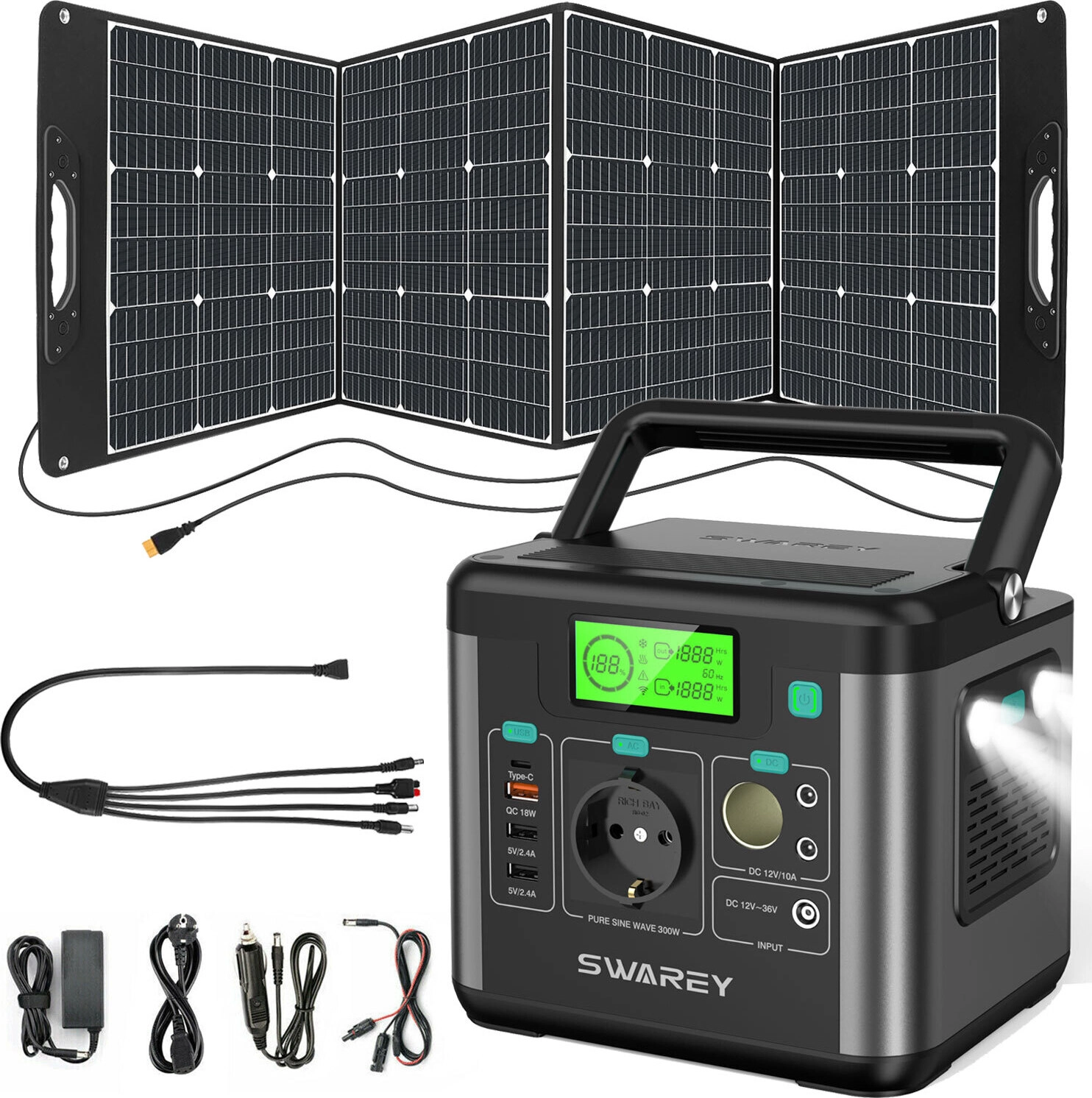
Professional charging station with power bank function
What to watch out for when choosing a power bank
- Capacity (mAh / Wh) – the higher it is, the longer the operating time.
- Output current and voltage – compatibility with devices.
- Durability – water, dust, impacts (outdoor use).
- Quality electronics – protection against overvoltage and short circuits.
Powered by Froala Editor