Polyester
Polyester je syntetické vlákno vyráběné z polymerů na bázi ropy, které se používá v textilním průmyslu pro výrobu oblečení, výstroje a technických tkanin. Vyznačuje se vysokou pevností, odolností proti vlhkosti, rychlým schnutím a dlouhou životností. Díky těmto vlastnostem patří polyester mezi nejpoužívanější materiály v outdoorovém, armádním i sportovním oblečení. Polyester je univerzální syntetický materiál, který zásadně změnil moderní textilní průmysl. Díky vysoké odolnosti, rychlému schnutí a snadné údržbě se stal základem funkčního, outdoorového i armádního oblečení a dnes tvoří páteř většiny technických textilií. Polyester je tedy univerzální syntetický materiál, který zásadně změnil moderní textilní průmysl. Díky vysoké odolnosti, rychlému schnutí a snadné údržbě se stal základem funkčního, outdoorového i armádního oblečení a dnes tvoří páteř většiny technických textilií.
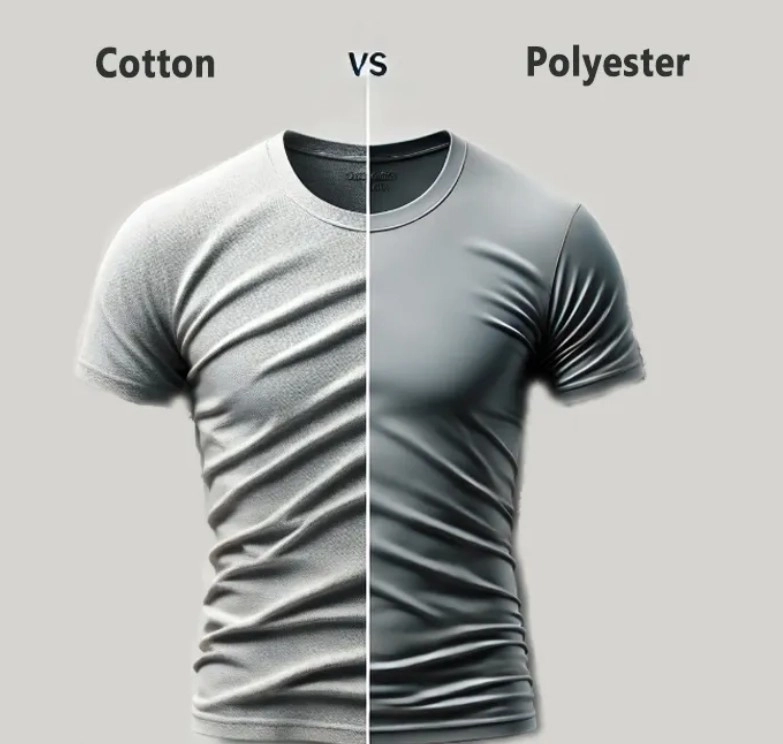
Porovnání bavlněného a polyesterového trička
Vznik a historie polyesteru
Polyester byl vyvinut ve 30. letech 20. století britskými chemiky a do širší výroby se dostal během 40. a 50. let. Nejznámější forma polyesteru – PET (polyethylentereftalát) – se rychle rozšířila díky své levné výrobě a výborným mechanickým vlastnostem. Od té doby se polyester stal základem moderních funkčních textilií.
Jak polyester funguje
Polyesterová vlákna mají hladký povrch a minimální schopnost nasávat vodu. Místo vsakování vlhkosti:
- odvádějí pot po povrchu vláken,
- umožňují rychlé odpařování,
- udržují nízkou hmotnost materiálu i za mokra.
Díky tomu polyester schne výrazně rychleji než přírodní materiály a je ideální pro fyzicky náročné aktivity.
Hlavní výhody polyesteru
- Vysoká pevnost a odolnost – netrhá se a má dlouhou životnost.
- Rychlé schnutí – vhodný do proměnlivého počasí.
- Nízká nasákavost – nezatěžuje oblečení vlhkostí.
- Snadná údržba – nemačká se a drží tvar.
- Stálobarevnost – dobře drží barvy i po opakovaném praní.
Nevýhody polyesteru
- Nižší přirozená prodyšnost než u vlny nebo bavlny (řeší se konstrukcí tkaniny).
- Může zadržovat pachy při dlouhodobém nošení.
- Není biologicky rozložitelný – ekologická zátěž bez recyklace.
Co se používalo před polyesterem
Před masovým rozšířením polyesteru se používaly hlavně:
- Bavlna – pohodlná, ale těžká a pomalu schnoucí.
- Vlna – hřejivá, ale náročná na údržbu.
- Plátno a směsové tkaniny – pevné, ale málo komfortní.
Polyester znamenal zásadní technologický posun v oblasti funkčního oblečení.
Polyester v armádě, outdooru a airsoftu
Díky své odolnosti a nízké hmotnosti je polyester běžně používán jako izolace i samostatný materiál:
- ve funkčním spodním prádle a fleecu,
- v taktických bundách a kalhotách,
- v airsoftové a vojenské výstroji.
Powered by Froala Editor